From Dataism to Human Progress Architecture

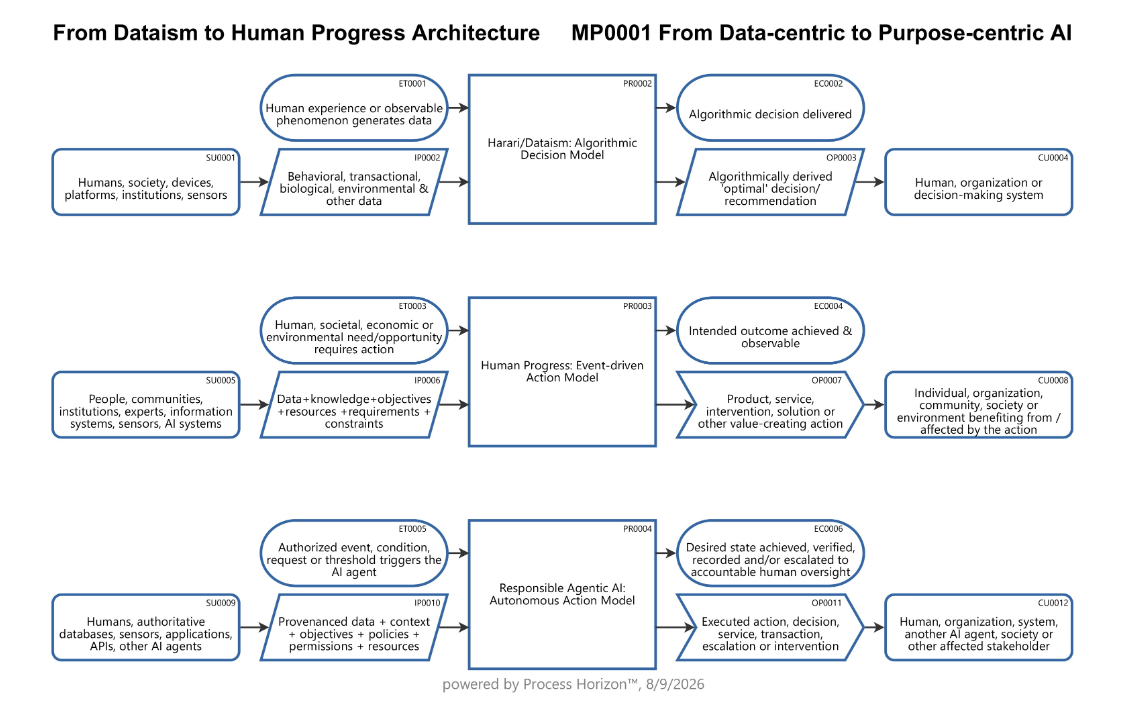
Dataism explains the growing power of data processing while event-driven SIPOC explains how that power can be directed toward human progress.
Data is the fuel. AI is the accelerator. Process is the engine.
Human purpose determines the destination & event-driven SIPOC provides the architecture connecting them.
From Data-centric to Purpose-centric AI:
1. Harari/Dataism: Algorithmic Decision Model
Convert human experience into data & use algorithms to derive an optimized decision.
2. Human Progress: Event-driven Action Model
Transform trustworthy inputs into purposeful actions that create beneficial outcomes.
3. Responsible Agentic AI: Autonomous Action Model
Enable AI agents to perceive events, use authorized inputs, reason & act autonomously within human-defined objectives & governance boundaries.
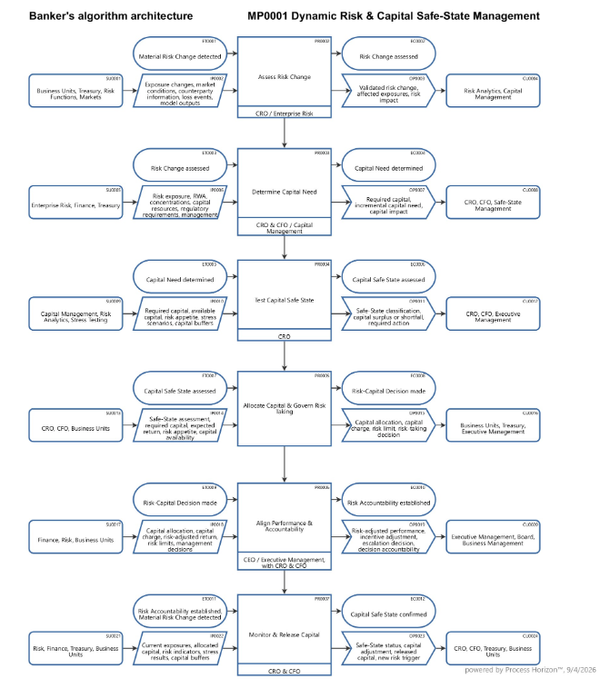
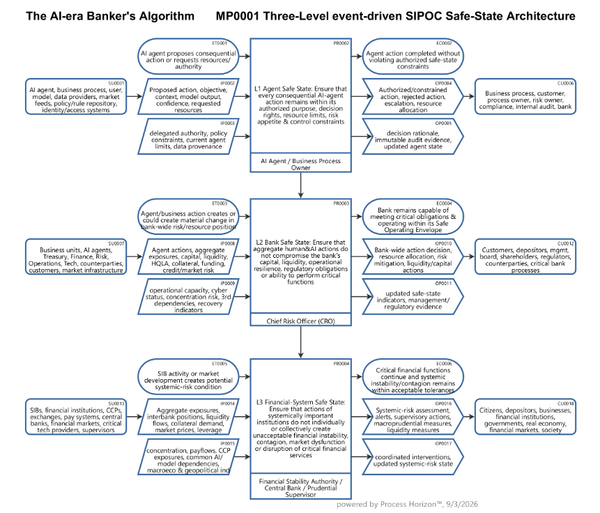
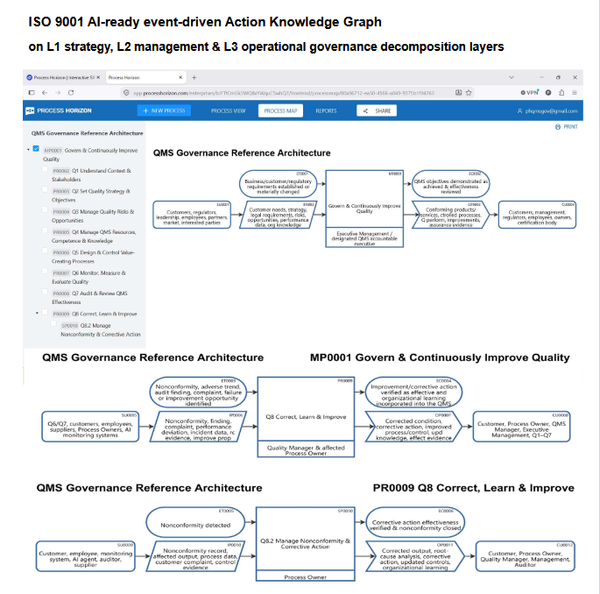
Event-driven SIPOC provides the invariant architecture that makes the complete chain from origin through transformation to outcome transparent, governable and accountable.
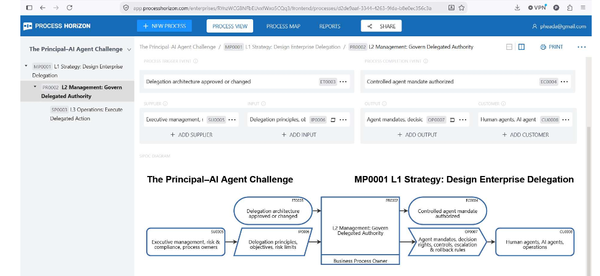
StartEvent > Suppliers > Inputs > PROCESS > Outputs > Customers > EndEvent
Using the following link you can access this sandbox SIPOC model in the ProcessHorizon web app and adapt it to your needs (easy customizing) and export or print the automagically created visual AllinOne SIPOC map as a PDF document or share it with your peers: https://app.processhorizon.com/enterprises/da6GBfuDfJC9td5Gu2RgN89T/frontend