Economic Master Algorithm by SIPOC

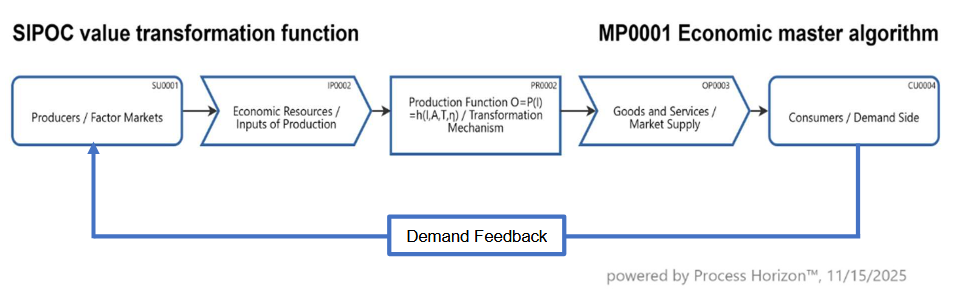
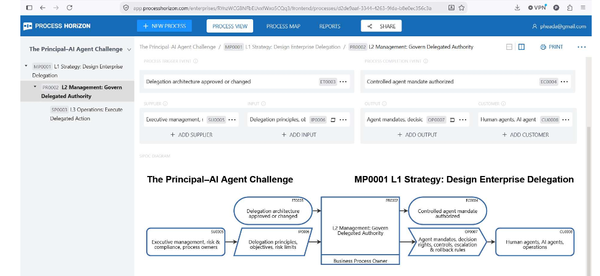
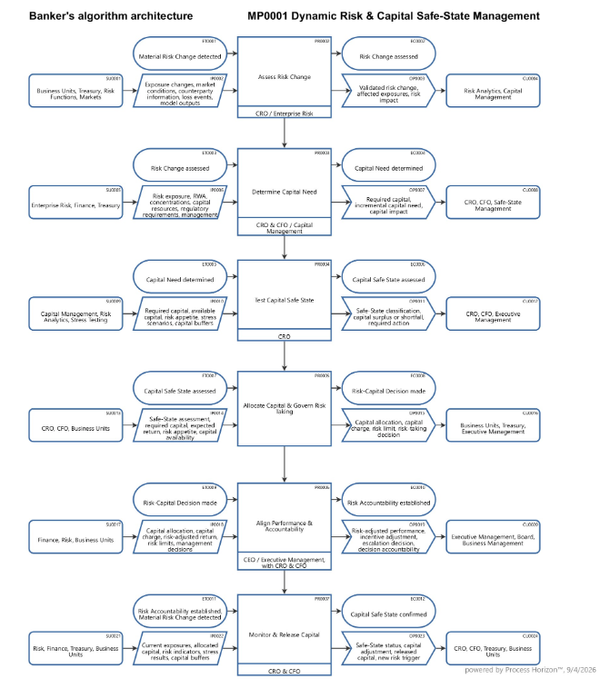
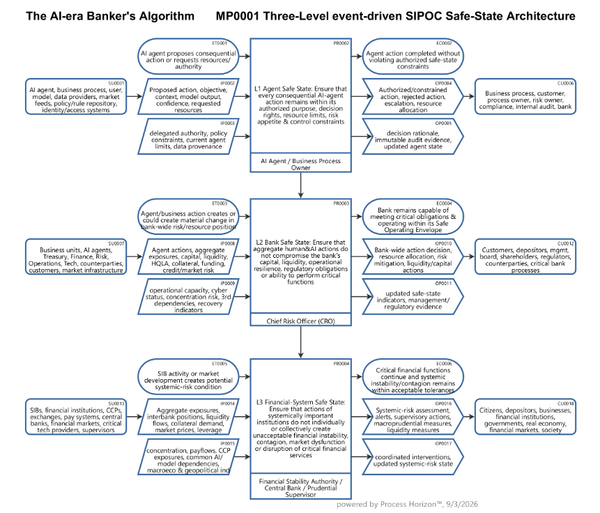
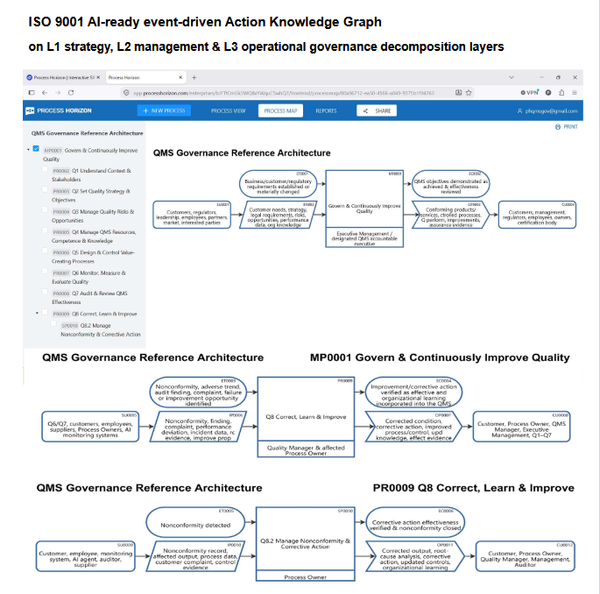
SIPOC (Suppliers>Inputs>Process>Outputs>Customers) models how any system transforms resources into value.
This structure is so universal that it mirrors the underlying logic of all productive systems from a single workflow to the global economy.
In essence, SIPOC abstracts the fundamental feedback loop that drives all economies, ecosystems and even biological systems:
Inputs → Transformation → Outputs → Feedback (Demand/Satisfaction) → Adjusted Inputs
Thus, the SIPOC value chain forms the core economic feedback cycle. This feedback creates continuous adaptation & equilibrium, the same way markets self-regulate through supply & demand.
SIPOC is recursive, i.e. each process output becomes another’s input:
- A firm is a SIPOC inside the economy
- A department is a SIPOC inside a firm
- The global economy is a SIPOC of nations exchanging inputs and outputs.
SIPOC describes a fractal structure of value creation, from micro-processes to macroeconomic systems with each layer following the same logic.
That’s why SIPOC can be conceived as a master algorithm of economic and organizational systems as it expresses the core logic of supply & demand dynamics, value transformation & systemic adaptation.
Eventually, SIPOC is not just a tool for process modeling but it's basically the algorithmic grammar of organized human activity.